
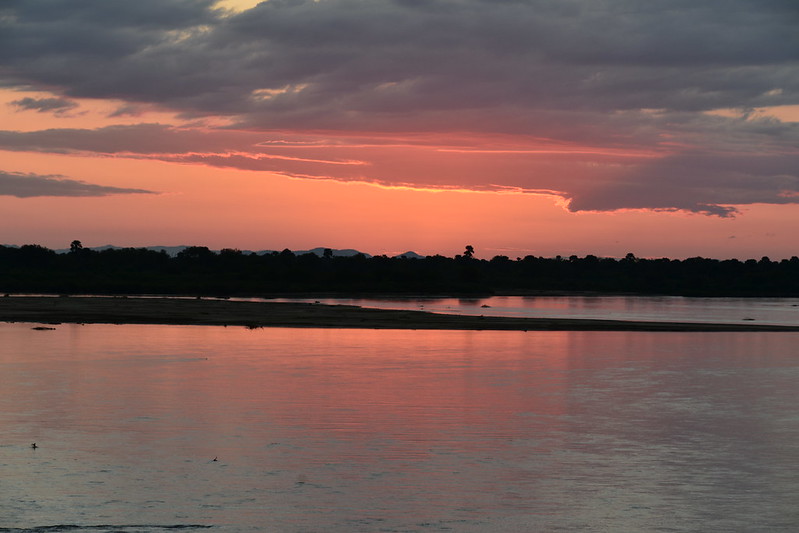
A Nyerere safari pairs boat trips on the Rufiji River with morning and afternoon game drives and guided walks, so a typical day runs from a 6am drive to a sundowner cruise past hippos and crocodiles. Most first-timers book three or four nights, flying in from Dar es Salaam in about an hour. Nyerere National Park, the former Selous Game Reserve in southern Tanzania, is Africa’s largest national park and one of the quietest big-wildlife destinations on the continent.
If this is your first proper safari, the fear is usually the same one. You have paid a fair bit, you have travelled a long way, and you are worried the animals will not show up or that you will not know what you are meant to be doing. That worry is normal, and Nyerere is a forgiving place to have it. The variety of activities means a slow game drive is rarely the whole day, and the guides here are used to people who have never held binoculars in earnest before.
You can build this visit into one of our Tanzania safari holidays for a seamless journey.
Nyerere Safari Tours, Packages and Costs
Trip lengths, budget tiers and what each safari actually costs, with the fee breakdowns set out guide by guide.

Choosing a Nyerere Tour Operator
Choosing a Nyerere tour operator comes down to a short list of checks: confirmed licensing, an honest written itinerary, real guide credentials, proper boat safari access on the Rufiji, clear pricing, and safe deposit terms. Most travellers compare two or three licensed local operators, read independent…
Read the full guide →
Four-day Nyerere Safari
A four-day Nyerere safari pairs a fly-in from Dar es Salaam or Zanzibar with three unhurried nights of boat trips on the Rufiji River, game drives across open grassland, and a walking safari that usually ends with a bush breakfast. Most trips run at a slow…
Read the full guide →
Mid-Range Nyerere Safari
A mid range Nyerere safari puts you in a comfortable permanent tented camp with an ensuite bathroom, full board meals, and shared or private game drives, sitting neatly between backpacker budget trips and top tier lodges. Most travellers book a three or four day Nyerere safari…
Read the full guide →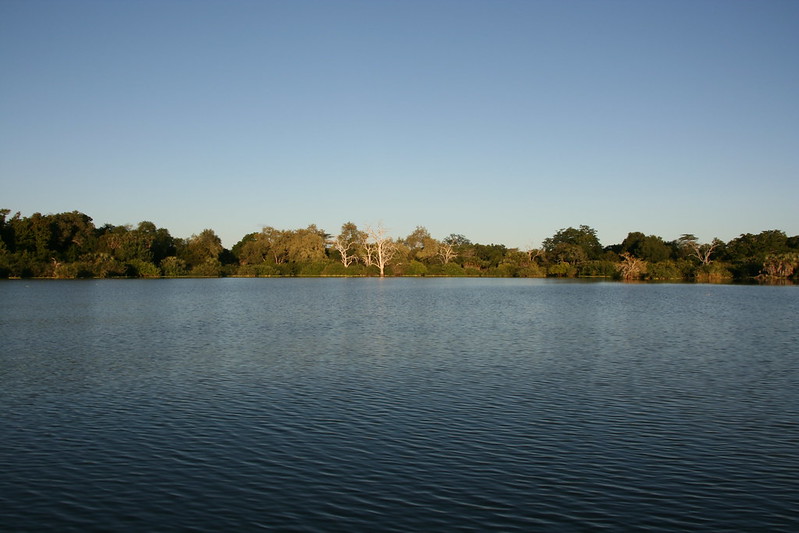
Nyerere Boat Safari Cost
The cost of a Nyerere boat safari on the Rufiji River is set by a few moving parts: the park conservation fee, a separate boating fee, whether your boat is private or shared, how long you stay on the water, and which camp runs the trip.…
Read the full guide →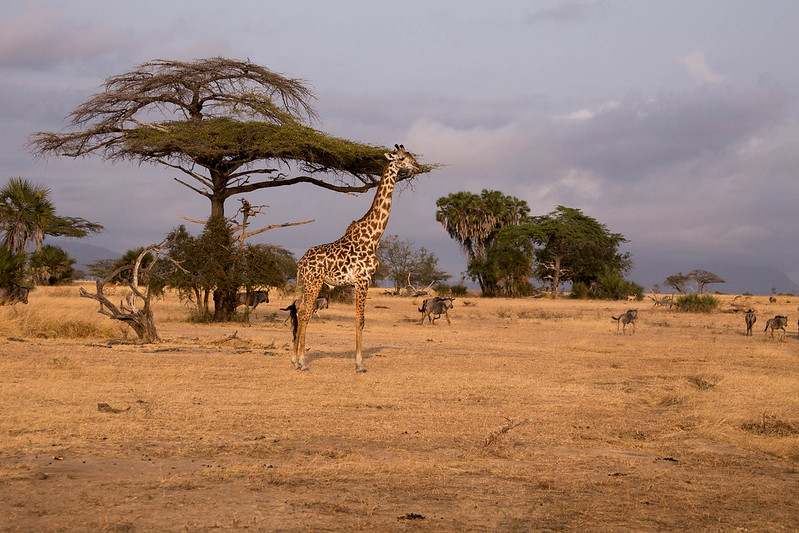
Nyerere Budget Safari Tanzania
A Nyerere budget safari runs on three swaps: drive from Dar es Salaam rather than fly, sleep at a simple camp near Mtemere gate rather than inside the park, and share a vehicle with other travellers. Most operators sell it as a three day group departure…
Read the full guide →
Nyerere Day Safari From Zanzibar
A Nyerere day safari from Zanzibar is a single day fly in trip that swaps the beach for wild bush, with a short flight to the mainland, a game drive, a Rufiji River boat safari and lunch before you fly back the same evening. Most trips…
Read the full guide →
Nyerere Day Trip Cost
A Nyerere day trip safari carries a premium price because the total bundles a light aircraft flight, park fees, a private guide with an open vehicle, a Rufiji River boat cruise and a bush lunch into one day out. Most of that money goes on the…
Read the full guide →
Nyerere Luxury Safari Tanzania
A Nyerere luxury safari in Tanzania is built around small riverside camps of roughly four to thirteen suites, a private guide and vehicle, boat safaris on the Rufiji, guided walking safaris and fly camping nights that most Tanzanian parks will not allow. Nearly everyone arrives by…
Read the full guide →
Nyerere National Park Fees & Safari Cost Tanzania
The cost of a Nyerere National Park safari is a stack of separate charges rather than one ticket: a conservation fee per person for each 24 hour period, a vehicle entry fee, activity fees for boating and walking, and a concession fee if you sleep inside…
Read the full guide →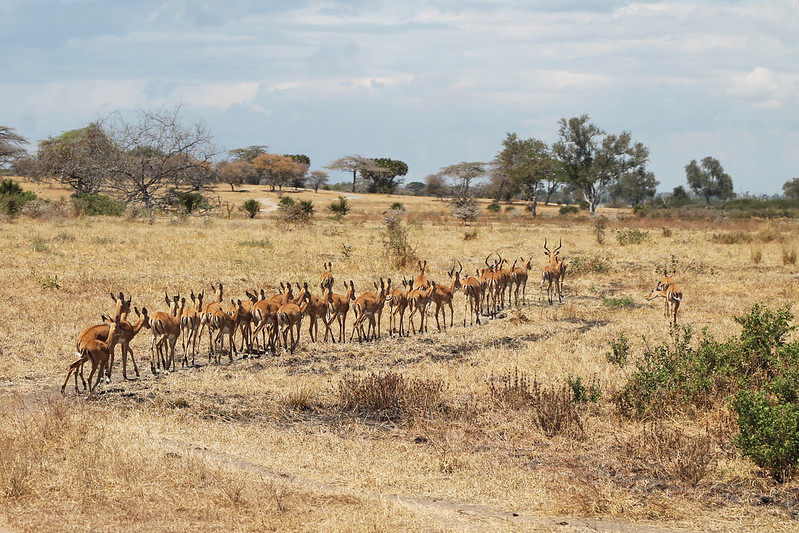
Nyerere Safari Packages
Nyerere safari packages bundle return light-aircraft flights, park fees, camp accommodation and daily activities into one southern Tanzania trip, most often sold as two, three or four night fly-in safari tours from Dar es Salaam or Zanzibar. Popular versions pair the park with a Zanzibar beach…
Read the full guide →
Nyerere Solo Safari
A Nyerere solo safari works because you can join scheduled small group departures that split the vehicle and guiding costs, pick camps that lower or waive the single supplement, and fill your days with boat trips, walking and game drives run by a guide who stays…
Read the full guide →
Nyerere Walking Safari Cost
A Nyerere walking safari is priced from several stacked parts: a park walking fee, an armed ranger charge, a guiding fee, and whatever camp or lodge you sleep in between walks. The total shifts with walk length, group size and season, so a short morning trek…
Read the full guide →
Tanzania Safari Cost
The Tanzania Safari Cost – Park Fees, Accommodation, Packages, and What’s Included varies based on the itinerary, group size, and duration. Tanzania Safaris typically include park fees (e.g., $70–$82 per adult per day at Nyerere National Park), accommodation ranging from budget campsites ($50–$100 per night) to…
Read the full guide →
Two-day Nyerere Safari
A two day Nyerere safari packs a flying transfer, a Rufiji River boat safari and a morning game drive into a single overnight, usually run from Dar es Salaam or Zanzibar. You land at a bush airstrip in about an hour, spend the afternoon on the…
Read the full guide →What a First Nyerere Safari Day Actually Looks Like
The rhythm surprises people. You are up before dawn, tea in hand, out on a game drive safari by around six while the air is still cool and the predators are still moving. That first drive runs two or three hours. Back at camp for a proper breakfast, then the middle of the day is yours, because the heat flattens most animals into the shade and there is little point chasing them.
Late afternoon, around three or four, you head out again. This second session might be another drive, or a boat trip, or a walk, depending on what your camp has planned. The light softens, the animals stir, and you are usually back as the sun drops. Dinner, a fire, sleep. The next day does it again with a different activity swapped in.
That gentle repetition is the point. You are not racing a checklist. One quiet morning tends to be followed by a livelier afternoon, and over three days the sightings add up in a way that a single game drive never could.
First-timer note: the midday gap is not wasted time. Use it. Nap, sit on your deck watching the river, sort your photos. The best afternoon sightings tend to go to people who actually rested rather than the ones who tried to fill every hour.
Rufiji River Boat Safari: The Signature Nyerere Experience
The Rufiji River boat safari is the thing Nyerere does that the famous northern parks cannot. A normal cruise runs two to three hours, usually setting off from the camp’s own jetty at sunset or early in the morning. You drift rather than drive, which after a dusty, bumpy morning on the tracks feels like a different holiday entirely.
Hippos are all but guaranteed. They pod up in the deeper channels and grumble at the boat, and your guide will hold a sensible distance because a hippo is not a photo opportunity to crowd. Crocodiles bask on the sandbars, some of them genuinely large. The birdlife along the water is constant work for the eyes: kingfishers, storks, and African fish eagles among the roughly 440 species recorded in the park.
One honest caveat worth knowing before you book. By the driest part of the season, water levels on the river and its lakes can drop far enough that boating is limited or paused at some camps. If a boat safari is the reason you are coming, ask your operator about water levels for your dates rather than assuming it runs year round.
After the dust of a game drive, gliding past a fish eagle as the sun sits low over the Rufiji is the moment most guests say sold them on the south.
Game Drive Safaris Across the Lakes Circuit
The main game drive safari circuit follows a string of five connected lakes fed by the Rufiji, and this is where the classic sightings happen. Morning drives start around six to catch the early risers, afternoon drives from about three or four as the heat eases. Vehicles are typically open-roofed, which gives you clear sightlines and a cooler ride.
What might you see. Elephant and buffalo in good numbers, hippo out of the water grazing, giraffe, greater kudu, eland, bushbuck, and plenty of impala and zebra. Lion sightings are reasonably common along the lake shores. Leopard are present but shy, as they are everywhere. The park also holds one of the largest remaining populations of African wild dog on the continent, with conservation estimates putting roughly 800 dogs across the wider Selous-Nyerere area. Wild dogs move fast and range widely, so seeing them is a matter of luck rather than a promise, but few parks give you a better shot.
Set your expectations plainly. Nyerere is not the Serengeti, and it does not pretend to be. Historic poaching thinned some populations, elephants especially, so the animals are here in real numbers but spread across a vast space rather than stacked into one valley. You work a little harder for sightings, and you share them with almost nobody.
Walking Safari in Nyerere: Reading the Bush on Foot
A walking safari is where the park stops being scenery outside a window and becomes something you are standing inside. These guided walks run two to four hours, led by an armed ranger alongside your guide, and the pace is slow on purpose. You are not covering distance. You are learning to read the ground.
The scale shifts down. Instead of scanning for elephant, you are following tracks pressed into the sand, working out who passed and how long ago, looking at bones and teeth in the dirt, studying dung, watching the small reptiles and insects that a vehicle blows straight past. Guides teach you to identify animals by their prints and their droppings, and by the second hour you start noticing things on your own.
It is safe when done properly, and the rules exist for good reason. You walk single file, you keep quiet, you do what the ranger says without debate. Big animals may be nearby, and the whole point is to observe them on foot without disturbance. For a lot of first-timers this ends up being the part they talk about most, not because it was dramatic but because it was close and real.
Rufiji Boat Safari. Two to three hours drifting the river and channels. Hippos, crocodiles, and prolific birdlife. Best at sunset. May be limited when water is very low late in the dry season.
Game Drive Safari. Morning and afternoon drives along the five-lakes circuit in open vehicles. Elephant, buffalo, lion, giraffe, antelope, and a strong chance at wild dog over several days.
Walking Safari. Two to four hours on foot with an armed ranger. Tracks, plants, insects, and the small detail of the bush. Slow, quiet, and close to the ground.
Fly-Camping Adventure. An overnight under canvas away from the main camp for those who want a night with almost nothing between them and the bush. Offered by some camps as an add-on.
Camp Life on the Rufiji During Your Safari
Most camps and lodges sit right on the banks of the Rufiji, which shapes the whole feel of the stay. From the deck of your tent you can watch hippo and elephant come down to drink without moving from your chair, and that between-activity river-watching becomes a genuine part of the trip rather than dead time.
Accommodation here runs from simple tented camps up to properties with river cruises, walks, and full high-end service built in. Tented does not mean roughing it. Even mid-range camps generally give you a real bed, an en-suite bathroom, and cooked meals, usually eaten communally so you swap sightings with other guests over dinner. The evenings are quiet: a fire, the sound of the river, hippos calling in the dark, and not much else. Phone signal is patchy to absent, which most people come to see as a feature.
Because the park is so lightly visited, camps are small and the atmosphere is personal. Your guide learns what you care about by the second day. If birds are your thing, they lean into birds. If you are desperate for wild dog, they will spend the drives working the areas the packs favour.
Wildlife Density and Sightings on a Nyerere Safari
Here is the honest version, because managing your own expectations is the single best thing you can do before a first safari. Nyerere holds enormous wildlife populations, among the largest concentrations of buffalo, hippo, and crocodile in Africa, plus lion, giraffe, and that standout wild dog population. The numbers are real.
What is different is density on the ground. The park covers close to 31,000 square kilometres, so those animals are dispersed across a huge wilderness rather than packed into a small viewing area. You will not roll over a rise and find a thousand wildebeest the way you might up north. You will find good sightings, worked for and largely uninterrupted, with your vehicle often the only one there. Predator sightings reward patience, water-based viewing adds a dimension the northern parks lack, and walks and night drives fill in the rest. For a first safari that combination is arguably the most rounded in Tanzania.
Nothing in the bush is guaranteed. Any guide who promises you lions on cue is selling, not guiding. What you can count on is variety, space, and quiet, and over three or four days that tends to deliver more than a single crowded sighting ever would.
Remoteness and Fewer Crowds on the Southern Circuit
Nyerere sits in southern Tanzania, well away from the northern circuit that most first-timers picture when they think of a Tanzanian safari. That distance is the whole draw. The park is far less travelled, and on a given drive you may not pass another vehicle for hours.
For a nervous first-timer this cuts both ways, and it is worth being straight about it. The upside is enormous: sightings feel like they belong to you, the photos have no other trucks in them, and the bush stays quiet. The trade is that services are thinner than the polished northern lodges, the park is genuinely wild, and you are committing to the fly-in rather than a tidy road transfer between big-name attractions. Most people who choose the south do so precisely because they want that, and they rarely regret it.
Worth knowing: the light aircraft that serve Nyerere limit you to around 15 kilos of luggage, carry-on and checked combined, in a soft bag. Pack a soft-sided duffel, not a hard suitcase. Camps almost all do same-day or next-day laundry, so you need far less than you think.
Best Time for a Nyerere Safari
The dry season, roughly June to October, is the textbook window for a Nyerere safari. Vegetation thins, animals concentrate around the Rufiji and its lakes, and both game drives and walks come into their own. Late July through early October is the sweet spot: dry and warm rather than punishing, with wildlife pulled in to water.
There is a wrinkle worth planning around. By October the park is at its driest and game viewing on land peaks, but water levels can drop far enough that boat safaris are limited. Earlier in the dry season the river runs higher and cruising is reliable. If the boat is central to your trip, aim earlier rather than at the very end of the dry months, and confirm with your camp.
June to October, dry season. The prime window. Thin bush, concentrated wildlife, warm dry days, cool early mornings. Best for drives and walks. Boating strongest early, more limited by October as water drops.
November to February, green season. Hot and humid with intermittent showers, roughly 31C by day. Lower rates, green scenery, strong birding, and good boating from about mid-January. A workable alternative if you do not mind the odd downpour.
March to May, long rains. The wettest stretch, and most camps close. Roads turn difficult and the park is largely off the table for a first safari. Best skipped unless you have a specific reason.
Getting to Nyerere National Park for Your Safari
Almost everyone flies. The hop from Julius Nyerere International Airport in Dar es Salaam to one of the park airstrips takes about an hour, on small propeller aircraft run by Coastal Aviation, Auric Air, Safari Air Link, and Regional Air, all with solid safety records. Morning and afternoon departures give you flexibility, and your camp arranges the transfer from the airstrip.
Driving is possible but not the easy option. The road from Dar es Salaam runs around five hours to the nearer gates, with the final stretch of roughly 75 kilometres on rough gravel. For a first trip, and given the luggage-friendly flight time, the fly-in is almost always the right call. It gives you more time in the park and skips the bumpy slog. Save the road for a later, more adventurous return.
Nyerere Safari FAQ
How much does a Nyerere safari cost?
It depends heavily on camp standard. A four-night trip commonly lands somewhere between about 2,500 and 5,500 US dollars per person, plus roughly 400 to 500 for the internal flights. Budget group tours can run nearer 250 to 400 US dollars a day with basic tented camps and fewer activities, while luxury lodges such as Sand Rivers Selous or Siwandu start around 500 to 800 per person per night with river cruises, walks, and full service included.
What is the park entry fee, and are there other charges?
Park entry is 50 US dollars per adult per 24 hours and 20 US dollars for a child under fifteen. On top of that, a boat safari carries an activity fee of roughly 24 to 40 US dollars per person, and there is a concession fee for anyone staying at a lodge or camp inside the park. Most organised safaris fold all of this into the package price, so ask your operator exactly what is bundled.
How many days do I need for a first Nyerere safari?
Three or four nights suits most first-timers. That gives you time for at least one boat safari, a couple of game drives, and a walking safari, with the flexibility to repeat whatever you liked most. Two nights is doable but rushed once you account for flight timings. If you want the wild dogs and a relaxed pace, lean towards four.
Is a walking safari safe, and can beginners do it?
Yes, when run properly. Walks go out with an armed ranger and a guide, you move in single file, stay quiet, and follow instructions. No prior experience is needed and the pace is gentle, since the aim is reading tracks and studying the small detail of the bush rather than covering ground. Reasonable fitness is enough.
Will the heat and tsetse flies be a problem?
The south gets hot, sometimes well into the mid-thirties Celsius, though early mornings from June to August can be genuinely chilly, so pack layers. Tsetse flies are present in patches. They are drawn to dark blue and black, so wear earthy khaki, olive, and beige, and bring repellent. Neither issue tends to spoil a trip once you are dressed for it.
Can I always do a boat safari in Nyerere?
Not always. Boat safaris on the Rufiji are one of the park’s best features, but by the driest part of the dry season the water can drop low enough that cruising is limited at some camps. If the boat is a priority, travel earlier in the dry season or in the green season, and confirm current water levels with your camp before booking.