
Udzungwa Mountains National Park is a rainforest hiking and trekking park in southern Tanzania, explored on foot along trails to Sanje Waterfalls, up to Mwanihana Peak, and through the forest home of two primates found nowhere else. People come here for guided walking safaris rather than game drives, because the park has no interior roads. This Eastern Arc range sits roughly 360 kilometres west of Dar es Salaam, close to Mikumi, and holds some of the richest forest biodiversity on the continent.
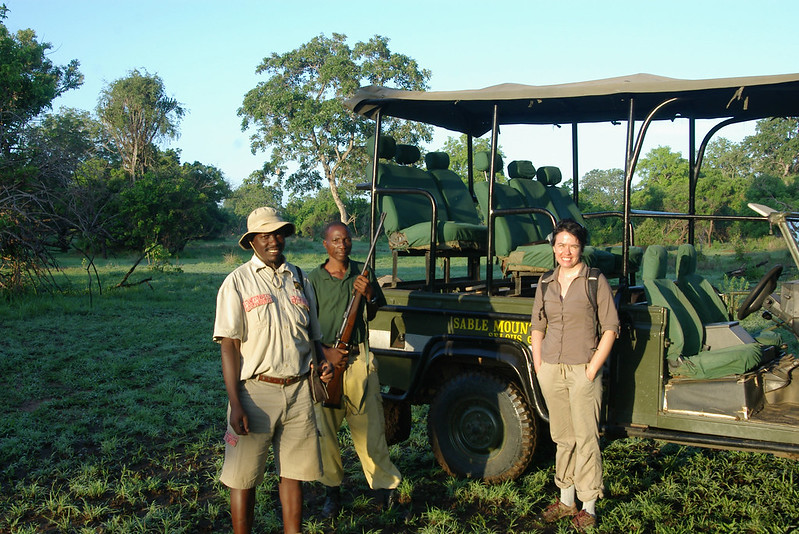
Let me set expectations early, because it saves disappointment. You will not sit in a vehicle here ticking off lions and elephants across an open plain. Udzungwa is a forest you walk into, sweat a little in, and slowly get rewarded by. The reward is a waterfall the height of a skyscraper, monkeys crashing through a canopy that has stood since long before the surrounding savannah dried out, and birdsong that pulls serious birders halfway around the world. If that sounds like your kind of day, read on.
Sanje Waterfalls Trail: The Signature Udzungwa Hiking Safari
The Sanje Waterfalls hiking safari is the trail almost everyone starts with, and for good reason. The full circuit runs to a waterfall that drops in stages for around 170 to 180 metres, the single most photographed feature in the park. You climb through forest, break out onto a viewpoint over the Kilombero Valley, then reach the top pool where the highest tier plunges roughly 40 metres into a basin you can actually swim in.
Plan on four to five hours for the whole thing. The walking distance comes to about 12 kilometres up and back if you do the complete loop, though the core viewpoint circuit is shorter at three to five kilometres depending on the route your guide picks. It is a proper hike, not a stroll. Expect steep, rooty sections and slick ground after rain, so grippy shoes matter more than anything else you pack.
What makes the day is the mix. Early on you pass through farmland edges and lower forest where blue monkeys and black and white colobus feed. Higher up the canopy closes over and the temperature drops, which is welcome by late morning. Bring a swimsuit if you want the plunge pool, plus more water than you think you need.
Start the Sanje climb early, ideally by 7am. The forest is cooler, primates are more active in the first hours of light, and you clear the exposed viewpoint before the midday sun turns it into hard work. An armed ranger guide is required and arranged at the Mang’ula gate.
Mwanihana Peak Trekking Expedition
For anyone who wants more than a day walk, the Mwanihana Peak trekking route is the headline multi day adventure. The summit stands at about 2,150 metres, and reaching it means passing through the park’s full stack of habitats in sequence: lowland tropical forest, then montane cloud forest, then bamboo zones near the top where the air turns cold and damp.
Most operators run this as a three day, two night trek covering roughly 38 kilometres, with camping at designated wilderness sites along the way. Longer four and five day versions exist for a gentler pace or extra time in the cloud forest. Nights are spent under canvas at bush camps such as Njia Panda, carried in and set up by a porter and guide team. There are no lodges up there, so you are genuinely in the forest overnight.
This is a trek for reasonably fit walkers who do not mind a basic camp. The payoff is quiet forest that very few visitors ever reach, a real shot at the shyer primates away from the day trippers, and a summit that opens over the surrounding Eastern Arc ridges when the cloud lifts. Cloud is the operative word. Views from the top are never promised, so treat a clear morning as a bonus rather than the plan.
Udzungwa rewards patience over speed. The forest gives up its best moments to people willing to stop, listen, and wait rather than march.
Njokamoni and Sonjo Waterfall Hiking Trails
Sanje takes the crowds, which is exactly why the Njokamoni hiking trail is worth knowing about. It runs a similar shape to Sanje but sees far fewer boots. The route covers around five kilometres and takes four to five hours to a waterfall at the top, crossing the Njokamoni and Moyer rivers on the way. Because so few people walk it, your odds of a good primate sighting go up. This is one of the better trails for spotting the Sanje mangabey, along with red duiker, elephant shrews and forest squirrels.
At the other end of the effort scale sits the Sonjo waterfall trail, a short and easy walk of about 20 minutes to the base of the falls. If you feel up to more, a steeper path continues for another 15 minutes or so to a second cascade. This is the trail for families, older walkers, or anyone arriving late in the day who still wants a taste of the forest without committing to a full climb.
Sanje Waterfalls Trail. The classic four to five hour hiking safari to a 170 metre waterfall with a swimmable top pool and valley views. Moderate to hard, best done early.
Njokamoni Trail. A quieter five kilometre forest walk of four to five hours, stronger for primate sightings including the Sanje mangabey. Moderate.
Sonjo Waterfall Trail. A gentle 20 minute walk to the falls, with an optional steeper extension. Easy, good for families and short visits.
Mwanihana Peak Trek. A three day camping expedition to a 2,150 metre summit through forest, cloud forest and bamboo. Demanding, for fit trekkers.
Primate Tracking Safari for the Udzungwa Red Colobus and Sanje Mangabey
The reason biologists rank this forest so highly is its primates, and a primate tracking safari here centres on two species you cannot see anywhere else on earth. The Udzungwa red colobus, a slim, russet coated monkey, is endemic to these mountains and listed as threatened on the IUCN Red List. Alongside it lives the Sanje mangabey, a ground foraging monkey that science did not formally record until 1979, now classed as endangered.
Six primate species have been recorded in the park, several of them found only in the Udzungwa range or the wider Eastern Arc. Add the more widespread blue monkeys, black and white colobus, and a handful of nocturnal galagos, and the forest carries one of the densest primate communities in Africa. The park is often cited as holding the second highest biodiversity of any national park on the continent.
Honesty matters with sightings. Red colobus troops are fairly common along the lower Sanje and Njokamoni trails, and many day walkers do see them, though nothing is guaranteed in thick forest. The Sanje mangabey is shyer and harder to find, so treat a clear look as a genuine piece of luck rather than a certainty. Your guide reads movement, alarm calls and feeding signs to raise the odds, which is a large part of why a ranger walks with every group.
Birding Safaris in the Udzungwa Rainforest
Serious birders put Udzungwa near the top of any Tanzania list, and a birding safari through this rainforest explains why. The park records more than 250 bird species, and its forests are ranked among the richest for bird diversity anywhere in Africa. A good number are Eastern Arc endemics, meaning they live only in this string of ancient mountains and nowhere else.
The bird that put the range on the map is the Udzungwa forest partridge, first found in 1991. It turned out to be not just a new species but an entirely new genus, with its closest relatives sitting in Asia rather than Africa, a genuine puzzle for ornithologists. Other sought after birds include the endemic rufous winged sunbird, the Iringa akalat, Swynnerton’s robin, white winged apalis and Moreau’s sunbird. Many of these are forest interior species, so patience and a good guide count for a lot.
Birding pairs naturally with the walking trails, since you are already moving slowly through prime habitat. Early morning along the lower Sanje and Njokamoni paths tends to be most productive, when mixed feeding flocks move through the mid canopy and the forest is loud with song.
Why Udzungwa Is a Walking Safari, Not a Game Drive Park
This point trips up a lot of first time visitors, so it is worth stating plainly. Udzungwa is a walking safari park. There are no interior roads and no game drives. Every trail is covered on foot, always with an armed ranger, and the whole appeal is the forest experience rather than big open country wildlife viewing.
That changes how you plan. You are not looking for lions, and you will not tick off the classic plains animals inside the park boundary. What you get instead is intimate: monkeys overhead, the sound of a waterfall building as you climb, chameleons and forest frogs your guide points out, and the odd sign of elephant or buffalo that move through the lower forest and grassy valleys. Fitness and footwear matter far more than a long lens on a bumpy track.
Plenty of travellers pair Udzungwa with nearby Mikumi National Park, which does offer classic game drives across open savannah. The two sit close together and complement each other well, one for forest walks and rare primates, the other for the wildlife on wheels experience. If your heart is set on both, plan them as a combined southern circuit.
Udzungwa Mountains National Park. Rainforest walking and trekking only, no roads or game drives. Best for waterfalls, endemic primates, birding and multi day hikes on foot.
Mikumi National Park nearby. Open savannah with road based game drives for elephant, buffalo, giraffe, zebra and lion. A natural partner for a combined southern Tanzania safari.
Best Time for an Udzungwa Trekking Safari
The best time to visit Udzungwa for hiking is the dry season, roughly June through October. Trails are firmer and safer underfoot, river crossings run lower, and the humidity eases off, which makes the longer climbs a great deal more comfortable. Primates and birds are active year round, so the seasonal choice is mostly about walking conditions rather than what you will see.
The wetter months bring their own character. Waterfalls run at full force, the forest is greener, and the park is quieter, but the trails turn slippery and leeches appear on the damp ground. Short heavy rains tend to fall around November, with a longer wet spell from March into May when some trekking becomes hard going. If you can only travel in the rains, keep to the shorter trails and expect a muddy day out.
June to October, dry season. The prime window for a trekking safari. Firm trails, easier river crossings, lower humidity, and the safest conditions for the Sanje and Mwanihana climbs.
November, short rains. Brief heavy showers freshen the forest and boost the falls. Trails get slick but shorter walks stay very doable.
March to May, long rains. Full flowing waterfalls and green forest, though muddy, leech prone paths make the longer treks tough. Quietest time in the park.
Getting to Udzungwa from Mikumi and Dar es Salaam
Reaching the park is straightforward once you know the options. By road from Dar es Salaam it is about 350 to 360 kilometres, a drive of five to six hours through Morogoro and past Mikumi. From Mikumi itself, the park headquarters at Mang’ula are only around 60 kilometres on, roughly one to two hours by the Ifakara road. Most safari itineraries approach this way, which is why the Udzungwa and Mikumi pairing is so common.
Handpicked Nyerere safari packages
There is a slower, more scenic alternative. The TAZARA railway runs from Dar es Salaam to Mang’ula station, only a few kilometres from the park gate, taking around six to seven hours. It is a relaxed way in if you have the time. Charter flights can also be arranged to the Mikumi airstrip, followed by a road transfer of about 50 to 60 kilometres to the park.
For where to stay, the pick near the gate is Hondo Hondo Udzungwa Forest Tented Camp in the Kilombero Valley, which offers ensuite safari tents, simpler thatched bandas for budget travellers, and a campsite looking up at the forest canopy. Several campsites also sit inside the park near the headquarters and along the trails for trekkers going deeper.
Frequently Asked Questions
How much does it cost to visit Udzungwa Mountains National Park?
Park entry for foreign non resident adults currently runs at about 30 US dollars per person, with children paying around 10 dollars, and permits are valid for a 24 hour period. On top of that you pay a compulsory guide or ranger walking fee of roughly 20 to 30 dollars per group walk, plus camping fees if you overnight inside the park on a trek. Rates are set by Tanzania National Parks and can change, so confirm current figures when you book.
Can you do game drives in Udzungwa?
No. Udzungwa has no interior roads and is a walking and trekking park only. All exploration is on foot with an armed ranger. If you want classic vehicle based game viewing, pair Udzungwa with nearby Mikumi National Park, which sits close by and offers savannah game drives.
How long is the Sanje Waterfalls hiking safari?
The full Sanje circuit takes about four to five hours and covers roughly 12 kilometres up and back, though shorter viewpoint versions of three to five kilometres are possible. It is a moderate to hard hike with steep, rooty sections, so decent footwear and an early start make a big difference.
What animals will I actually see in the park?
The stars are the endemic Udzungwa red colobus and the shyer Sanje mangabey, alongside blue monkeys and black and white colobus. Red colobus are commonly seen on the lower trails, though nothing is guaranteed in thick forest. You may also come across duikers, elephant shrews, forest squirrels and a rich bird community, with occasional signs of elephant and buffalo in the lower forest.
Do I need to be very fit for the Mwanihana Peak trek?
The Mwanihana trek to about 2,150 metres is demanding. It usually runs over three days and two nights of camping across roughly 38 kilometres, climbing through forest, cloud forest and bamboo. You need to be a reasonably fit walker comfortable with long days and basic bush camps. The shorter Sanje, Njokamoni and Sonjo trails suit those wanting a single day out.
When is the best time for an Udzungwa trekking safari?
The dry season from June to October gives the best walking conditions, with firmer trails and lower humidity. The long rains from March to May make the falls spectacular but the longer treks muddy and slippery. Wildlife and birds are present all year, so timing mainly affects how comfortable the hiking is.