
A Nyerere dry season safari runs from June to October, when wildlife pulls in tight around the Rufiji River and the shrinking lakes and gives you the clearest game viewing of the year. Boat safaris, game drives and walking safaris all sharpen as the bush thins and standing water grows scarce. Nyerere National Park, the former Selous Game Reserve in southern Tanzania, is the country’s largest park, shaped around the Rufiji and its web of lakes and lagoons.
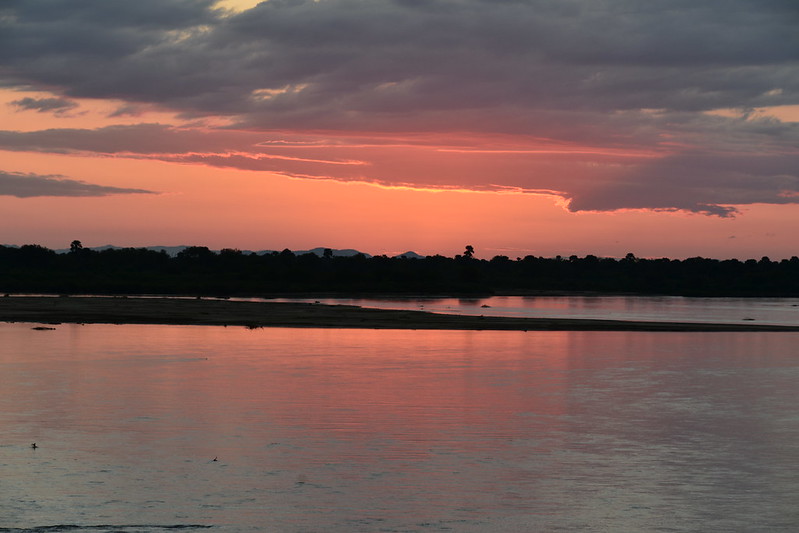
Plenty of first timers worry about picking the wrong months and ending up staring at empty grass. In Nyerere the dry season takes most of that worry off the table. Once the short dry weather settles in, the animals have fewer places to drink, so they come to you. What follows is a plain walk through the season, what each activity looks like at low water, and what you can realistically expect to see.
Ready to start planning? Compare our Tanzania safaris to find the trip that suits you.
Why the Dry Season Safari Delivers the Best Game Viewing
The logic here is simple. Between June and October the rains stop, seasonal pools dry out, and the grass and scrub die back. Animals that spread across the park during the wet months have to walk back toward permanent water, and in Nyerere that water is the Rufiji River and the string of lakes it feeds. So the same wildlife that felt scattered and hidden in April becomes concentrated and visible by July.
Thinning vegetation does the other half of the work. When the bush is thick and green, a leopard can sit fifteen metres off the track and you will never know. Strip the leaves back and open the sightlines, and the same animal is suddenly in view. This is why guides and repeat visitors rate dry season game viewing in Nyerere so highly. You are not seeing more animals than exist in the wet months. You are simply able to find them.
If your dates are flexible, late June is worth a hard look. The bush has dried enough for good sightings, the lodges are open, and you dodge the busiest and priciest weeks of July and August. It is a quiet sweet spot that many planners miss.
One honest caveat. Nothing in the bush is guaranteed. A dry season safari stacks the odds heavily in your favour, yet wildlife still moves on its own clock. What the season buys you is consistency, better light through clear skies, and shorter grass, not a checklist you tick off by lunch.
Rufiji River Boat Safaris at Low Water
The Rufiji River boat safari is the activity that sets Nyerere apart from almost every other park in Tanzania. Few places let you track wildlife from the water, and in the dry season the boating gets even better. As the river drops, sandbanks and mud flats surface, hippos crowd into the deeper channels, and Nile crocodiles haul out to bask where you can actually see them.
A typical boat trip runs two to three hours, usually in the softer light of early morning or late afternoon. You drift the main channel and slip into the connected lakes, and because the boat sits low and quiet you get close in a way a vehicle never manages. Pods of hippo grunt and jostle a short distance off the bow. Elephant and buffalo come down to the banks to drink, and at low water they have fewer stretches of shoreline to choose from, so the odds of catching them at the edge climb.
Birdlife along the water is a genuine highlight, and the guides know it. Expect to pick out African fish eagles, malachite kingfishers, goliath herons, African skimmers cutting the surface, and Boehm’s bee eaters working the banks. Sightings vary day to day with the light and the water level, and a good boatman will position you for the best angle rather than rushing the route.
Nyerere is one of the very few African parks where a safari happens as much from a boat as from a vehicle, and low water is when that boat trip is at its strongest.
Big Game Drive Safaris Across the Thinning Bush
The classic game drive safari still does the heavy lifting on land, and the dry season is when it pays off. Open 4×4 vehicles work the network of tracks between the river, the lakes and the surrounding woodland, and with the grass low your guide can read fresh tracks and spot movement at a distance. Mornings tend to be cooler and busier with activity, so most drives push out early and return before the midday heat sits heavy.
Predators are a big part of the draw. Nyerere and the wider Selous ecosystem hold a large lion population, with estimates running from roughly 1,700 to as many as several thousand across the whole reserve area. Leopard, cheetah and spotted hyena are all present too. Lion sightings are fairly reliable in the dry months near water, while leopard and cheetah stay harder to pin down and reward patience rather than a tight schedule.
Plains game fills out the drives. Herds of buffalo, plenty of giraffe, zebra, impala, wildebeest and waterbuck all use the drying country near the lakes, and where the grazers gather the predators are rarely far behind. The park is also famous for its elephants, which we cover in more detail below.
Wildlife You Can Expect on a Dry Season Safari
Set your expectations on the real strengths of the park rather than a generic big five wish list. On a Nyerere dry season safari the standout residents are elephants, African wild dogs, big pods of hippo, and a solid cast of predators, all of which get easier to find as the water shrinks.
Nyerere is one of the best places on the continent for the endangered African wild dog. The wider ecosystem holds around 1,300 of them, thought to be the largest single population anywhere and close to a third of the world total. The dry season, and especially the denning period, gives you a genuine shot at them, though wild dogs range widely and no guide can promise a sighting. When it happens, it tends to be the highlight of the whole trip.
Elephants are the other signature. Herds move through the woodland and down to the Rufiji to drink, and with the bush thinned out they are simple to watch at a respectful distance. Buffalo, giraffe, zebra and antelope round out the plains game, while hippo and crocodile own the water. Sightings are commonly good through the peak dry months, but treat every list as likely rather than certain.
African wild dogs. The park’s rarest headline species, with the largest known population in the ecosystem. Best odds during the dry season denning period, still never guaranteed.
Elephants. Large herds that gather near the Rufiji to drink. Easy to watch once the bush thins out from July onward.
Lions and other cats. A big lion population, reliably seen near water in the dry months. Leopard and cheetah are present but far harder to find.
Hippo and crocodile. Huge pods and basking crocs concentrate in the deeper channels as the river drops, ideal for the boat safari.
Month by Month Guide to a Dry Season Nyerere Safari
The dry window is not one flat block. Each month has its own feel, and matching your dates to what you want out of the trip is worth a few minutes of thought.
June. The land is drying out after the long rains and the country looks fresh. Roads and airstrips are open, animals are starting to draw toward water, and late June offers strong conditions before the crowds and top pricing arrive.
July and August. The heart of the dry season and the busiest, most expensive stretch. Clear skies, cool nights, and wildlife packed around the Rufiji and the lakes. The strongest all round window for a first visit.
September. Dry and hot, with the bush at its sparest and water at its lowest. Game viewing and boat safaris are excellent, and the park feels a touch quieter than the mid season peak.
October. The last and driest chapter, with concentrations at their tightest. The end of the month can bring the first short rains, which settle the dust and green things up but can arrive without much warning.
Daytime temperatures across these months sit around 26 to 30 degrees Celsius, roughly 79 to 86 Fahrenheit, and nights cool off to about 14 to 16 degrees, so pack a warm layer for early game drives. June through September see little to no rain and clear, sometimes dusty skies. Note that seasons and months are all you need to plan around here.
Walking Safaris and Night Drives in the Dry Months
Because Nyerere carries national park status over parts of the old reserve, it offers a wider spread of activities than most parks, and the dry season suits the extra ones well. A walking safari puts you on foot with an armed guide, reading tracks, dung and small signs the vehicles roll straight past. Firm dry ground and thinner bush make the walking easier and the sightlines longer, so this is the right season for it.
Night drives open a different cast entirely. Once the sun drops, the spotlight can pick out genets, civets, bushbabies, and sometimes a leopard or a lion on the move. Nocturnal animals stay unpredictable, yet the dry nights are clear and comfortable for being out, and the change of pace after a day of game drives is worth it.
Try to book a camp or lodge that runs boat trips, game drives, walking and night drives, then spread your days across all four. That mix is the real reason people rate a Nyerere safari, and the dry season is when every one of them performs at its best.
Birdwatching Safaris Along the Shrinking Lakes
A birdwatching safari in Nyerere works beautifully alongside the boat trips, since the water is where the action sits. As the lakes shrink, fish get pushed into smaller pools and the fish eating birds pile in to take advantage. You do not need to be a hardcore birder to enjoy it. The colour and the sheer numbers along the banks pull most people in.
Watch for African fish eagles calling from dead trees, malachite and pied kingfishers over the shallows, goliath herons stalking the margins, African skimmers ploughing the surface at dusk, and bee eaters in loose flocks along the earth banks. The resident species are around all year, and the dry season simply concentrates them where a slow boat can get close. Sightings shift with the day, so give it time rather than expecting everything at once.
What to Expect and Pack for a Nyerere Dry Season Safari
A dry season trip is comfortable if you plan for the swing between warm days and cool early starts. Pre dawn game drives and boat trips can feel genuinely chilly, then the middle of the day turns hot and dusty, so layers do most of the work. Neutral colours, a warm fleece or jacket, a hat, sunglasses and strong sun protection cover the basics.
Dust is the season’s trade off for the great sightings. Clear dry skies mean fine dust on the tracks, so a light scarf or buff and a cover for cameras and binoculars earns its place in the bag. Malaria precautions matter here, so speak to a travel clinic about prophylaxis and bring a good insect repellent, even though the dry months tend to have fewer mosquitoes than the wet ones. Small bag, warm layer, sun cover, and you are set.
Getting to Nyerere for Your Dry Season Safari
Handpicked Nyerere safari packages
Most visitors fly in, and it is the easy option. The gateway is Julius Nyerere International Airport in Dar es Salaam, with light aircraft hopping from there to the park’s gravel airstrips in around 45 minutes. Coastal Aviation, Auric Air and Safari Air Link run scheduled Cessna Caravan flights with morning and afternoon departures through the main season, and there are connections from Zanzibar too, which suits travellers pairing the bush with the coast.
Small planes mean a strict luggage limit, usually about 15 kilograms per person in a soft bag including hand luggage, so pack light. If you would rather drive, the road from Dar es Salaam takes roughly five to seven hours depending on which gate you use, a longer and bumpier option that some travellers still enjoy for the change of scene. Either way, the dry season keeps the roads and airstrips in their best shape of the year.
Nyerere Dry Season Safari FAQ
When exactly is the dry season in Nyerere National Park?
The dry season runs from June to October. July through October brings the greatest concentrations of game around the Rufiji and the lakes, while late June offers strong conditions before the busiest weeks. The end of October can see the first short rains arrive.
How much does a Nyerere dry season safari cost?
Park entry currently runs about 82.60 US dollars per adult per day with VAT included, and a boat safari typically adds somewhere between 23.60 and 40 dollars. Fully inclusive mid range safaris start around 500 dollars per person per day, and a four night trip commonly lands between roughly 2,500 and 5,500 dollars per person before internal flights, which add about 400 to 500 dollars. Note that park gates no longer take cash, so payments go through the government electronic payment system.
How much are lodges and camps per night?
Prices swing widely by tier and by season. Budget and mid range tented camps often sit in the 500 to 1,300 dollars per person per night band on a full board basis, and rates rise noticeably in the peak dry months of July and August compared with the quieter shoulder weeks. Booking early for peak dates helps with both price and availability.
Are boat safaris on the Rufiji worth it during the dry season?
Yes, this is arguably the best time for them. As the river drops, hippos crowd the deeper channels, crocodiles bask on exposed banks, and elephant and buffalo come to drink where you can watch from the water. Trips usually last two to three hours in the softer morning or afternoon light. As with all wildlife, sightings vary from day to day.
What wildlife will I see on a dry season safari?
The strongest bets are elephants, big pods of hippo, crocodiles, and a large lion population, all easier to find as water shrinks. Nyerere also holds the largest known population of endangered African wild dogs, so the dry season gives you a real chance at them, though they range widely and are never guaranteed. Leopard and cheetah are present but harder to spot.
What is the weather like on a dry season safari?
Expect warm, clear days around 26 to 30 degrees Celsius and cool nights that can drop to about 14 to 16 degrees, so early drives call for a warm layer. June through September sees little to no rain, with clear and sometimes dusty skies. The tail of October may bring the first light rains.