
Yes, Tanzania is safe to travel to for most visitors who stick to the main safari circuits and Zanzibar, where guided trips run smoothly and serious crime against tourists stays rare. You can book through licensed operators who track conditions on the ground day by day. Tanzania is an East African country home to the Serengeti, the Ngorongoro Crater, Mount Kilimanjaro and the Zanzibar archipelago, and it welcomes well over two million travelers each year.
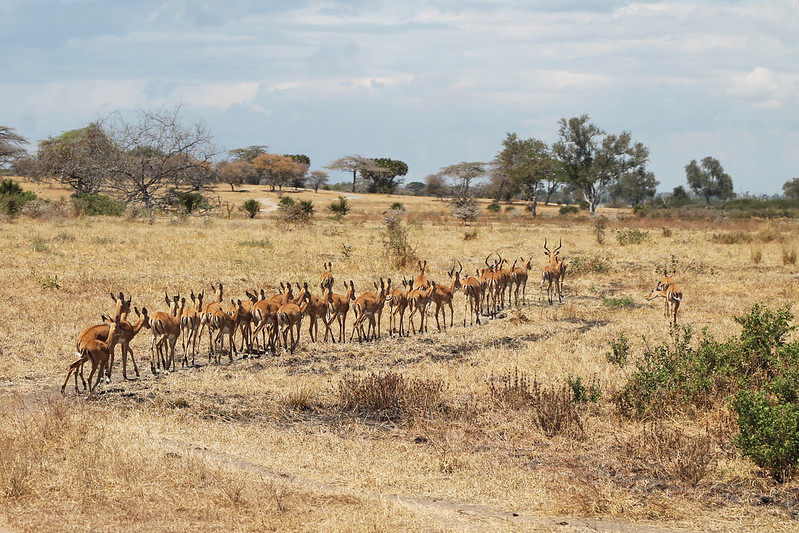
That short answer is honest, but it is worth slowing down on the detail, because “safe” means different things in a national park, on a city street and on a beach in Stone Town. Plenty of people planning a first trip feel a knot of worry about a part of the world they have only seen in wildlife documentaries. The worry is fair. The good news is that most of it comes off once you understand where the real risks sit and how ordinary they are to manage.
How Safe Is a Guided Tanzania Safari
A guided Tanzania safari is one of the safest kinds of travel you can do in the country. Inside the big northern parks, meaning the Serengeti, Tarangire, Lake Manyara and the Ngorongoro Conservation Area, you spend your days in a fitted vehicle with a licensed driver-guide who has done the route hundreds of times. These operators carry radios, follow park rules, and know exactly where they can and cannot go after dark.
Crime against tourists inside the parks is close to nonexistent. There is little to steal in the middle of the bush, and the people you meet are guides, rangers and lodge staff whose livelihoods depend on you leaving happy. The risks that do exist are practical ones: rough tracks, midday sun, the odd stomach upset. A good safari tour plans around all three without you having to think about it.
Book with an operator registered with the Tanzania Association of Tour Operators or licensed by the tourism authority. A licensed guide is trained in animal behaviour, first aid and park protocol, and that training is the single biggest thing standing between you and trouble on a game drive.
Travel Advisories and What They Mean for Your Tanzania Trip
Reading a government travel advisory for the first time can be alarming, so it helps to know how to read one. In late 2025 the United States raised Tanzania to Level 3, which reads as “reconsider travel.” The label sounds heavy, yet the reasons behind it are geographically narrow. The advisory points to unrest tied to the October 2025 elections, ordinary crime in a few urban spots, a terrorism concern focused on the Mtwara Region on the far southern coast, and laws that treat LGBTQ travelers harshly.
Here is the part that matters for a normal holiday. The Mtwara flashpoint sits hundreds of kilometres from the Serengeti, Ngorongoro and Zanzibar. Almost no leisure itinerary goes anywhere near it. Post-election tension flared mainly in mainland cities and has calmed, but it is the reason to keep an eye on local news around any election period and to lean on your operator for real-time guidance. The United Kingdom, Canada and Australia all publish their own advisories, and cross-reading two or three gives a steadier picture than any single headline.
A Level 3 rating is a prompt to plan carefully, not a wall. The country’s core safari and beach regions keep running normally while the advisory language stays broad by design.
Petty Crime Awareness on a City Tour in Dar es Salaam and Arusha
City safety is where honesty earns its keep. Petty crime is the most common problem a tourist actually meets, and it clusters in a few predictable places. In Dar es Salaam, bag snatching from moving cars and motorbikes happens, with the Msasani Peninsula and Toure Drive named repeatedly in reports. Pickpocketing targets phones, jewellery and loose bags in crowds. Around Arusha, the gateway town for a northern safari tour, there have been armed robberies and carjackings, though these rarely touch travelers moving between the airport, their hotel and the parks with a driver.
The playbook is dull and it works. Leave your passport and spare cash in the room safe. Carry a card and a small amount of local money, nothing flashy. Skip the late-night walk and use a hotel transfer, Uber or Bolt instead of hailing a taxi off the street. Keep bags off your lap and out of sight in a moving vehicle. Express kidnappings, where someone is forced to withdraw cash at an ATM, have been reported near transport hubs in Dar and Zanzibar, so use machines inside banks or hotels during daylight.
Wildlife Safety on a Tanzania Game Drive Safari
Wildlife safety on a game drive safari rests on one rule above all others: stay in the vehicle unless your guide tells you plainly that it is fine to step out. From inside the car, the animals read you as part of a large, harmless shape they have seen their whole lives. Stand up through the roof and lean out and that changes. On foot you become a person, and a person can trigger a defensive reaction from an elephant or a predator that a parked vehicle never would.
Keep your voice low. Loud talk, music or a ringing phone can spook an animal mid-sighting and, in rare cases, provoke one. Do not feed anything, ever, including the cheeky vervet monkeys around lodges. At camp, follow the escort rule after dark, since buffalo and hippo move through unfenced grounds at night and a torch plus a walking guide keeps everyone apart. None of this is meant to frighten you. Serious injuries to safari guests are genuinely uncommon, and nearly every incident traces back to someone ignoring a guide.
Stay seated and calm. The vehicle is your safe zone on every game drive. Movement and noise are what draw attention, so let sightings come to you rather than reaching toward them.
Dress for the bush. Earth tones of khaki, olive and tan help you blend in. Blue and black draw tsetse flies in Tarangire and Lake Manyara, and camouflage is illegal for civilians in Tanzania.
Follow the escort. Many camps sit unfenced inside wildlife areas. After dusk, wait for a guide to walk you between your tent and the dining area rather than going alone.
Health, Malaria and Vaccinations Before You Travel to Tanzania
The health side of a Tanzania trip is well understood and easy to prepare for, which takes a lot of the fear out of it. Malaria is present year-round across most low-lying areas, including the Serengeti, Zanzibar and Dar es Salaam. The parasite here resists chloroquine, so a travel clinic will usually prescribe atovaquone-proguanil, doxycycline or mefloquine. Start it on schedule, take it for the full course, and pair it with insect repellent, long sleeves at dusk and a treated bed net where one is offered.
Yellow fever is not generally a disease risk in Tanzania, but there is a paperwork catch. If you arrive from, or transit for more than twelve hours through, a country with yellow fever risk, you must show a vaccination certificate at the border. Travelers flying in directly from Europe or North America usually do not need it, yet a stopover in another African nation can flip that, so check your exact routing. Beyond that, keep routine jabs current, talk to a clinic about hepatitis A and typhoid, drink bottled or filtered water, and carry a small kit for stomach upsets. Travel insurance that covers medical evacuation is the one thing worth never skipping.
Road Safety and Why a Guided Tour Beats Self Driving
Road safety is the risk that quietly outranks wildlife and crime for most visitors, and it is the strongest argument for a guided safari tour over a self-drive one. Traffic can be unpredictable, rural tracks turn to mud in the rains, and night driving is genuinely hazardous thanks to poor lighting, stray livestock and unmarked hazards. A local driver-guide reads all of this by instinct, knows which crossings flood and which police checks are routine, and keeps you off the roads after dark.
Self-driving is possible and some experienced overlanders love it, but it stacks the odds against a first-timer. Getting bogged in sand, losing the route across unsigned plains, or misjudging an animal on the road are all common, and help can be hours away. A guided trip folds the driving, the navigation and the recovery gear into one person’s job, so you watch the scenery instead of the fuel gauge.
Guided safari tour. A trained driver-guide handles the roads, wildlife tracking and daily logistics. Safest for first-time visitors, and the guide’s local knowledge lifts your sightings on top of keeping you out of trouble.
Self-drive safari. More freedom and lower daily cost, but you carry the full weight of navigation, breakdowns, animal hazards and park rules yourself. Best kept for seasoned Africa travelers who know the terrain.
Solo and Female Travel Safety on a Tanzania Tour
Solo and female travelers visit Tanzania in large numbers every season and most report feeling comfortable, especially on organised trips and in Zanzibar. The same city precautions apply, only a touch more firmly when you are on your own. Book transfers ahead rather than arriving into a strange bus terminal after dark. Keep your accommodation address written down. Trust the flat no over polite ambiguity if a stranger is too persistent, and know that beach boys and touts around Stone Town and the north coast are usually pushy rather than dangerous.
A group or privately guided Tanzania tour smooths a lot of this out, since you are rarely alone in an unfamiliar spot and there is always a local contact who has your back. Women travelers often find dressing modestly away from the beach cuts down on unwanted attention as much as it shows respect. Sharing your rough itinerary with someone at home and checking in every day or two costs nothing and buys real peace of mind.
Cultural Respect and Dress on a Zanzibar Tour
Handpicked Nyerere safari packages
Zanzibar is a mainly Muslim archipelago with a Swahili, Arab and Indian heritage, and a little cultural care makes a Zanzibar tour smoother and warmer. Away from the beach and the resort grounds, cover your shoulders and knees. Skimpy clothing in town is not only frowned on, it runs against local rules, so light loose layers are the move for Stone Town and village visits. Swimwear stays on the sand.
During Ramadan, avoid eating, drinking or smoking in public during daylight out of respect for people fasting around you. Use your right hand for eating, greeting and passing things, since the left is considered unclean. Ask before you photograph people, homes or mosques. Keep public affection low-key. None of this is about walking on eggshells. It is the ordinary courtesy that locals notice and repay, and it tends to open doors rather than close them on a cultural tour of the islands.
Frequently Asked Questions About Tanzania Travel Safety
Is Tanzania safe for tourists right now?
For the standard safari parks and Zanzibar, yes. Serious crime against visitors on guided trips is rare, and the main circuits run normally. The current Level 3 advisory reflects narrow concerns, chiefly a terrorism risk on the far southern coast near Mtwara and post-election unrest in some mainland cities, both far from typical holiday routes. Stay in touch with your operator, keep to the city precautions, and you are on solid ground.
How much does a Tanzania safari cost per day?
Budget group and camping safaris usually run about 200 to 400 US dollars per person a day. A comfortable mid-range trip with lodges and a private vehicle sits around 400 to 800 dollars, while luxury lodges and fly-in options start near 800 and climb past 1,500. Those daily rates leave out international flights, visas, insurance and tips. Zanzibar is cheaper, with simple beach rooms from around 20 to 40 dollars a night.
Do I need malaria tablets and vaccinations for Tanzania?
Malaria is present in most low-lying areas year-round, so a travel clinic will normally prescribe antimalarial tablets such as atovaquone-proguanil, doxycycline or mefloquine. Yellow fever is not a disease risk, but you must show a certificate if you arrive from or transit a yellow fever country for over twelve hours. Keep routine vaccines current and ask a clinic about hepatitis A and typhoid. Travel insurance with medical evacuation cover is strongly advised.
Is Zanzibar safe for solo female travelers?
Many women travel Zanzibar solo each year and feel comfortable, particularly with a planned arrival and modest dress away from the beach. Touts around Stone Town and the north beaches are pushy more than threatening, and a firm no usually settles it. Book transfers ahead, avoid walking alone late at night, and keep valuables in the room safe. Joining a small group or guided tour removes most of the friction.
How much should I tip guides and lodge staff in Tanzania?
A common guide runs about 20 dollars per guest a day for your driver-guide, and roughly 10 to 15 dollars per guest a night for lodge staff through the shared tip box. Stone Town and spice-farm guides typically get 5 to 10 dollars for a half or full day. Bring clean US dollar notes dated 2009 or newer, since older bills are often refused, and carry a mix of small denominations.
Is it safe to self-drive on a Tanzania safari?
It is legal and some seasoned overlanders enjoy it, but for most first-time visitors a guided trip is far safer. Roads can be rough, rains turn rural tracks to mud, and night driving carries real hazards. Getting stuck, losing the route or misreading an animal on the road are all common, and help may be distant. A licensed driver-guide handles the driving, navigation and recovery, and reads wildlife behaviour you would miss on your own.