

The best Selous Game Reserve lodges now sit inside Nyerere National Park, the photographic tourism area carved from the old reserve in southern Tanzania along the Rufiji River. The names travellers search for are still Selous, yet the camps you book are Sand Rivers Selous, Siwandu, Roho ya Selous, Beho Beho, Lake Manze, Serena Mivumo River Lodge and Selous Kinga. Most run game drives, walking safaris and boat trips from riverside or lakeside settings.
If you have been reading about the Selous for years and suddenly find every map and brochure saying Nyerere, you are not going mad, and the change matters for anyone picking a lodge. In 2019 the Tanzanian government took roughly 31,000 square kilometres out of the historic Selous Game Reserve and made it a national park run for photographic tourism by the parks authority, TANAPA. It was named after Julius Nyerere, the country’s first president. The rest of the old reserve, the southern blocks, kept the Selous name and the hunting that goes with it. So when a lodge calls itself a Selous camp today, it almost always means it sits in the northern part of Nyerere National Park, along the Rufiji River and its lakes. Same wildlife, same river, new signage on the gate.
Lodges and Camps in Nyerere National Park
From riverfront tented suites to budget camps outside the gate, these guides cover where to stay and which base suits which kind of trip.
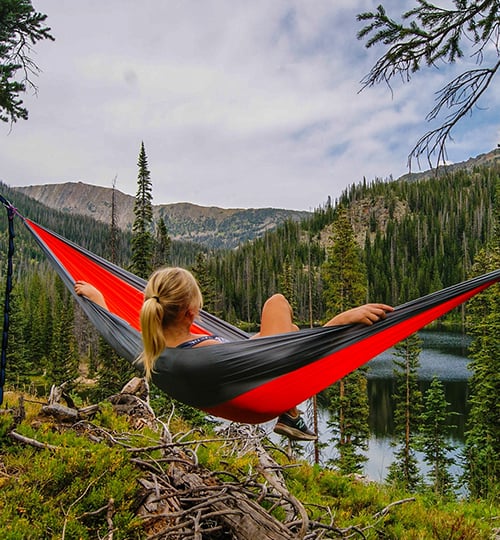
Best Lodges in Nyerere National Park
The best lodges in Nyerere National Park sit along the Rufiji River and its chain of lakes, ranging from classic tented safari camps like Lake Manze and Rufiji River Camp to high-end stays such as Siwandu, Roho ya Selous, Sand Rivers and Beho Beho. Most run…
Read the full guide →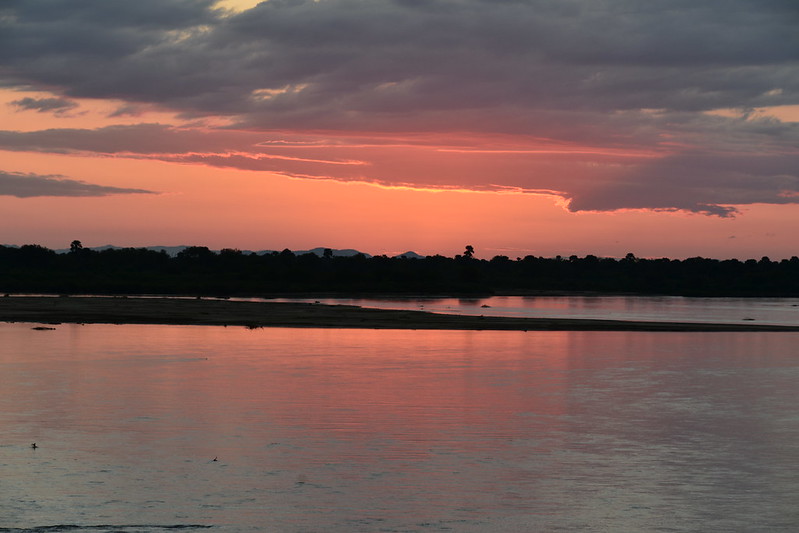
Budget Camps Near Nyerere National Park
The best budget camps near Nyerere National Park sit along the Rufiji River close to the eastern Mtemere gate, and the standouts are Rufiji River Camp, Selous River Camp, Selous Mbega Camp and Selous Kinga Lodge. Most run simple safari tents or riverside chalets on a…
Read the full guide →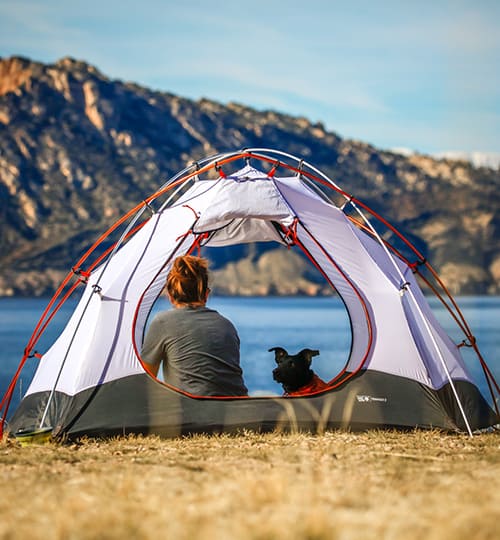
Camps Inside Nyerere
Camps inside Nyerere National Park put you on the Rufiji River and its chain of lakes, so game drives, boat safaris and walking safaris start at your tent rather than after a long transfer. The best known in-park camps are Siwandu, Roho ya Selous, Sand Rivers,…
Read the full guide →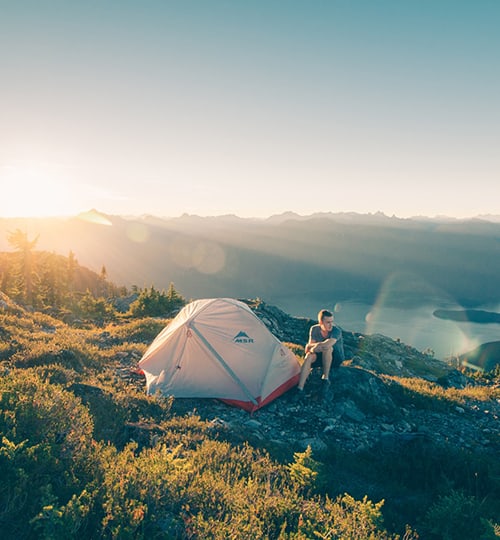
Camps Outside Nyerere
Camps outside Nyerere sit just beyond the park boundary near the Mtemere gate and Mloka village, strung along the north bank of the Rufiji River where a safari costs noticeably less than staying inside the gates. Guests skip the steep in park concession charge and pay…
Read the full guide →
Family Safaris in Nyerere: Top Lodges, Fun Activities & Costs
Family Safaris in Nyerere – Kid-Friendly Lodges, Activities, and Costs offer an enjoyable way to explore Nyerere National Park, one of the largest wildlife reserves in Tanzania. Kid-friendly lodges like Beho Beho and Lake Manze Camp provide comfortable stays, with family tents and engaging activities for…
Read the full guide →
Group Safaris to Nyerere: Costs, Discounts & Planning Tips
Group Safaris to Nyerere – Discounts, Cost per Person, and How to Organize typically involve exploring Nyerere National Park in Tanzania through guided tours. Discounts are often available for group bookings with most operators offering reduced rates for larger groups, commonly starting with five or more…
Read the full guide →
Hotels & Lodges in Nyerere National Park Tanzania
As one plans for a safari to Selous, one of the first things that they will think about is the accommodation that they will use while on the safari. There are a lot of accommodation facilities that you can use and these can range between the…
Read the full guide →
Luxury Camps in Nyerere National Park
The luxury camps in Nyerere National Park are a small, high end collection of riverside lodges and hillside retreats such as Sand Rivers, Roho ya Selous, Beho Beho, Siwandu and Serena Mivumo River Lodge, most with private plunge pools, boat safaris and fly in access. A…
Read the full guide →
Private Safari Tours in Nyerere: Costs, Lodges, Booking Tips
Private Safari Tours in Nyerere – Cost, Lodges, and How to Book typically range from $300 to $1,500 per person per day, depending on the duration, group size, and level of luxury. Nyerere National Park, part of the Tanzania Safaris circuit, offers accommodations such as luxury…
Read the full guide →
Rufiji River Safari Camps
Rufiji River safari camps are riverfront lodges and tented camps set directly on the water inside Nyerere National Park, the former Selous Game Reserve in southern Tanzania. Real riverside options include Sand Rivers Selous, Rufiji River Camp, Serena Mivumo River Lodge and Siwandu on Lake Nzerakera.…
Read the full guide →
Selous Kinga Lodge
Selous Kinga Lodge is a mid-range safari lodge on the banks of the Rufiji River, about 5km from the Mtemere gate of Nyerere National Park in southern Tanzania. Guests book it for boat safaris on the Rufiji, game drives into the park, walking safaris and a…
Read the full guide →
Selous Kulinda Camp
Selous Kulinda Camp is a good value tented safari camp sitting on the banks of the Rufiji River, on the edge of Nyerere National Park in southern Tanzania. Guests come for boat safaris, game drives and walking safaris in what used to be the Selous Game…
Read the full guide →
Selous Safari Camp Review
Selous Safari Camp, now trading as Siwandu, is a luxury tented camp on the shore of Lake Nzerakera in Nyerere National Park, southern Tanzania. Run by the Selous Safari Company, it divides into two small camps of canvas suites and builds its days around boat safaris,…
Read the full guide →
Where to Stay in Nyerere
Where to stay in Nyerere comes down to picking between lakeside safari camps around Lake Nzerakera and Lake Manze, riverfront lodges along the Rufiji, and a single hilltop retreat, spread across the northern and eastern sectors from luxury tents to budget border camps. Most visitors book…
Read the full guide →Booking tip. If a website lists a camp under both Selous and Nyerere, treat them as the same place. The photographic camps that once advertised as Selous Game Reserve lodges are the ones now inside Nyerere National Park. You are not choosing between two destinations, only between two names for the same stretch of river country.
Selous Game Reserve Lodges and the Nyerere National Park Rename
A little history clears up the confusion. The land along the Rufiji was first set aside in 1896, became a hunting reserve in 1905, then took the name of Frederick Selous in 1922. Selous was a British hunter and naturalist shot by a German sniper near the Rufiji in 1917, and he is buried in the reserve that carried his name for nearly a century. For most of that time the Selous mixed trophy hunting in the south with photographic safaris in the north.
The 2019 split drew a hard line between those two worlds. Hunting stayed in the southern reserve blocks. The northern photographic zone, where every lodge in this guide operates, became Nyerere National Park, one of the largest parks in Africa and a UNESCO World Heritage Site. For a lodge guest the practical upshot is simple. You will not share the river with hunting parties, the whole area is managed for game viewing, and activities such as boat safaris and walking safaris are the point rather than a sideline. The camps below all lie in this northern country, and knowing that helps you read older reviews without second guessing whether the place still exists.
Sand Rivers Selous: Riverside Safari Lodge on the Rufiji
Sand Rivers Selous, run by Nomad Tanzania, is the camp most people picture when they imagine a classic Selous safari lodge. It sits on a rocky peninsula in the northern part of Nyerere National Park with one whole side open to the Rufiji, so close to the water that the camp feels almost moored to the bank. This is the longest running lodge in the area, and it has aged into one of the most polished.
There are just eight stone and thatch cottages, five along the riverside and three larger hillside suites set a little above with their own sitting areas and private plunge pools. Guiding is the reason to come. The team runs game drives in open vehicles, walking safaris, boating and fishing on the Rufiji, plus fly camping out on dry riverbeds if you arrange it ahead of time. A raised photographic platform looks over a marshy stretch that pulls in elephants and giraffe, and the guides have photography training, which shows when they position the vehicle for the light rather than the closest angle.
Sand Rivers is so much part of the Rufiji’s rise and fall that it seems almost moored to the bank, one side entirely open to the river.
Siwandu Camp: Lakeside Luxury Safari Lodge
Siwandu, which older guests will remember as Selous Safari Camp, is a lakeside safari lodge on the shore of Lake Nzerakera, right in the central wildlife area of Nyerere National Park. It gives you a genuine luxury tented camp feel without the very top tier price, which is why it turns up on so many first safari shortlists.
The camp splits into two separate parts, a North Camp with six tents and a South Camp with seven, each with its own lounge, dining area and bar. That layout keeps things quiet and personal even when both sides are full. Set among miombo woodland by the water, Siwandu works well for a lodge based safari that mixes game drives with boat trips on the lake system and walks led by armed guides. The setting beside the water means good general game through the day and birdlife that barely lets up during the wetter months.
Roho ya Selous: Boutique Safari Camp in the Heart of the Reserve
Roho ya Selous means the heart of the Selous, and the name points to where it sits, a quietly beautiful sector of the park on a low hill with views over the Rufiji and easy reach of Lake Manze. It belongs to Asilia Africa, a well regarded operator, and it reads as a boutique safari camp rather than a big lodge.
Eight tents, one of them a family tent, are spaced well apart for privacy. Each has a breeze cooling system over the bed for the hot afternoons and a bathroom with both indoor and outdoor showers. Days here run on the usual rhythm of a Selous safari, morning and afternoon game drives, walking with an armed guide, and boat trips out towards the lakes when water levels allow. The hillside position gives you long views at sundowner time and catches whatever cool air is moving, which counts for a lot in this part of Tanzania.
Beho Beho: The Highland Safari Lodge Above the Rufiji
Beho Beho is the grand old name of the area and still the most exclusive safari lodge in Nyerere National Park. It was the first permanent camp built in the Selous, and it is the only one that does not sit on a riverbank. Instead it stands on higher ground, and its Swahili name means cooling breezes, which is exactly what the ridge delivers when the lowland camps are baking.
Nine large stone and thatch bandas make up the camp, well built with indoor and outdoor bathrooms and the kind of unhurried service that regulars come back for. Guiding is the strong suit. Days run to morning and afternoon drives in open vehicles, walking safaris beside armed rangers, and boat outings to Lake Tagalala where hippos, crocodiles and water birds gather. The highland setting is the trade off worth understanding. You are a short drive from the river rather than on it, but you sleep cooler and wake to a wider outlook than the riverside camps offer.
If heat is a real worry for you, a highland safari lodge like Beho Beho is worth the small extra distance from the water. The ridge stays noticeably cooler at night than the riverside camps, and that alone can make the difference between sleeping well and lying awake in October.
Lake Manze Camp: Budget Safari Lodge by the Water
Lake Manze Camp is the answer for anyone who wants to stay inside the park without paying top lodge rates. It is a simple lakeside bushcamp of twelve canvas tents, plain and comfortable rather than fancy, and it sits right in the middle of the best game country in the old Selous. Many long time safari goers rate it as one of the better value stays anywhere in the region.
Do not read simple as a compromise on wildlife. The camp is about an hour’s game drive from Siwandu airstrip and puts you among the lakes where elephants, giraffe, lion and wild dog move through in the dry months. Activities cover the full Selous range, drives, walking safaris and boat trips on the lake, all at a price that leaves room in the budget for a second park. For a first safari on a careful budget, a lakeside camp like this gives you the real thing without the premium wrapper.
Serena Mivumo River Lodge: Riverfront Safari Lodge at Stiegler’s Gorge
Serena Mivumo River Lodge is the most hotel like of the group, a riverfront safari lodge set along the Rufiji near the mouth of Stiegler’s Gorge. It suits travellers who want lodge comforts, solid rooms and reliable service rather than the pared back canvas of a bushcamp. The flight in from Dar es Salaam runs about an hour, which makes it an easy add on to a wider Tanzania trip.
The lodge keeps to twelve chalets and a single villa, spaced out in riverine forest along the water. Rooms come with glass windows, air conditioning, a private plunge pool and an outdoor shower looking down the river, which is a genuine luxury in this climate. Activities run the full list, game drives in open vehicles, walking safaris, boating on the Rufiji, birding, bush breakfasts and sundowner outings. The Rufiji here holds big numbers of hippo and crocodile, and the wider park carries some of Africa’s largest elephant and buffalo populations, so the boat trips tend to deliver.
Selous Kinga Lodge and Other Value Safari Stays
Selous Kinga Lodge rounds out the picture at the more affordable end. It sits in the heart of the reserve country and builds its trips around bush walks led by experienced guides, with the option of linking a Selous stay to Mikumi and Ruaha on a longer southern circuit safari. For travellers wanting a walking led experience without a luxury bill, it is a sensible base.
Around these named camps you will find a handful of other simple lodges and tented camps, some just outside the gates and some within reach of the Mtemere entrance. The pattern holds across all of them. The closer a lodge sits to the Rufiji and the lakes, the better your odds of good general game from camp and the more likely boat safaris feature in the daily plan. A lodge based safari in this park is really a choice about position on the water and level of comfort, more than a choice between wildly different wildlife areas.
Sand Rivers Selous. Premium riverside lodge on a Rufiji peninsula. Eight cottages and suites, strong photographic guiding, fly camping on request. Best for a top end riverside safari.
Beho Beho. Exclusive highland lodge above the river. Nine stone bandas, cooler nights, walking safaris and Lake Tagalala trips. Best for heat sensitive guests wanting the finest guiding.
Siwandu. Lakeside luxury camp on Lake Nzerakera, split into two small camps. Best for luxury feel at a gentler price than the very top tier.
Roho ya Selous. Boutique hilltop camp of eight tents near Lake Manze. Best for a quiet, personal safari with long views.
Serena Mivumo River Lodge. Riverfront lodge near Stiegler’s Gorge with chalets, air conditioning and plunge pools. Best for lodge comforts and easy access.
Lake Manze and Selous Kinga. Simple value camps inside and near the park. Best for budget minded travellers who still want to sleep in prime game country.
Choosing a Selous Game Reserve Lodge by Safari Season
Timing changes which lodge suits you, mostly because of the water. The dry season, roughly June to October, is the strong window for a Selous safari. Vegetation thins, animals gather along the Rufiji and its lakes, and game viewing gets easier by the week. That said, the boat safari that draws so many people to these lodges depends on river levels. From June through September the Rufiji usually carries enough water for boating. By October the park is at its driest, ideal for walking safaris and drives, yet the water can drop so low that boat trips stop for a while.
June to September, prime dry season. The sweet spot for most lodge guests. Good game, thinning bush, and boat safaris still running on the Rufiji. Any riverside lodge shines now.
October, peak dry. Excellent walking and driving as animals crowd the shrinking water, but boating may pause. A highland base like Beho Beho or a walking led camp reads well this month.
November to May, green season. Warmer, greener and much quieter, with strong birding and lower rates. Some camps close during the heaviest rains, so check dates before you plan around a particular lodge.
Wildlife is never a guarantee. Even in prime dry months a quiet morning happens, and the honest lodges say so rather than promising lion at every bend. What the season does buy you is better odds and easier viewing, plus the practical detail of whether the boat you were counting on will actually leave the jetty.
Getting to Your Selous Game Reserve Lodge
Most guests reach their lodge by light aircraft. Scheduled flights leave Julius Nyerere International Airport in Dar es Salaam for the park airstrips, with a flying time near one hour, and Coastal Aviation, Safari Air Link and Regional Air are the usual carriers. Your lodge meets you at the nearest strip, Siwandu among the busiest, and runs you in by game drive vehicle, which often turns the transfer into your first sighting.
Driving is the cheaper route. A road transfer from Dar es Salaam takes about six to seven hours, one common approach running through Kibiti and Mloka to the Mtemere gate. There is also a rail option on the TAZARA line, four to five hours to a station near the park where a vehicle collects you, the least costly way in but the least flexible. Whichever you pick, tell your lodge your arrival details early so the pickup lines up, because these are remote camps and a missed connection is harder to fix out here than at a city hotel.
Selous Game Reserve Lodges: Frequently Asked Questions
Are Selous Game Reserve lodges the same as Nyerere National Park lodges?
In nearly every case, yes. The photographic camps that used to advertise as Selous Game Reserve lodges now sit inside Nyerere National Park, the area split off from the old reserve in 2019 for game viewing tourism. Sand Rivers Selous, Siwandu, Roho ya Selous, Beho Beho, Lake Manze and Serena Mivumo River Lodge are all in this northern part of the park. When you see both names for one camp, they refer to the same place on the same river.
How much do Selous Game Reserve lodges cost per night?
It spreads widely. An all in southern Tanzania safari with flights, a lodge and meals tends to run from around 400 US dollars per person per day at the simpler camps up to about 1,500 US dollars per person per day at the premium lodges. Value tented camps such as Lake Manze sit near the lower end, mid tier lodges like Siwandu land in the middle, and exclusive names like Beho Beho and Sand Rivers reach the top of that range. Park entry is charged on top and is separate from the lodge rate.
What are the park entry fees on top of the lodge price?
Park entry for foreign visitors currently runs about 50 US dollars per adult for each 24 hours in the park and around 20 US dollars for children under fifteen. East African citizens pay a lower local rate. Gates take cash in US dollars or Tanzanian shillings, and card payment by Visa or Mastercard is usually accepted too. Most lodges either include these fees in a full board safari rate or add them clearly, so ask how your quote handles park fees before you book.
Which lodge is best for a boat safari on the Rufiji?
Any riverside lodge puts you close to the water, and the riverfront camps such as Sand Rivers Selous and Serena Mivumo River Lodge are natural picks for boating. The bigger factor is timing. Boat safaris on the Rufiji run well from June through September, then river levels can fall so low by October that boating pauses. If a boat trip is the reason you are going, aim for the earlier dry months and confirm with the lodge that the water is high enough when you plan to travel.
Which Selous lodge is best for a first safari on a budget?
Lake Manze Camp and Selous Kinga Lodge are the usual choices for a careful budget. Lake Manze is a simple canvas camp set right in prime game country by the lakes, and long time safari goers rate it as one of the better value stays in the region. Selous Kinga leans on walking safaris and links easily to Mikumi and Ruaha on a longer southern circuit. Both let you sleep inside good wildlife areas without the top tier lodge rate, leaving budget for a second park.
Do the lodges offer walking safaris as well as game drives?
Yes, and it is one of the draws of this park. Because the northern zone is managed for photographic tourism rather than hunting, walking safaris with armed guides are a normal part of the daily plan at camps like Beho Beho, Sand Rivers, Roho ya Selous and Siwandu. Most lodges combine walking with game drives in open vehicles and, in the right season, boat trips, so a two or three night stay usually covers all three ways of seeing the country.