
A southern Tanzania safari itinerary usually runs seven to ten days across three parks, with a typical split of two nights in Mikumi, three in Nyerere (the old Selous), and three in Ruaha, often finishing with a few nights on Zanzibar. Most travellers link the parks by short bush flights out of Dar es Salaam. The southern circuit is Tanzania’s quieter wilderness, known for Rufiji River boat safaris, huge elephant herds, and walking trails.
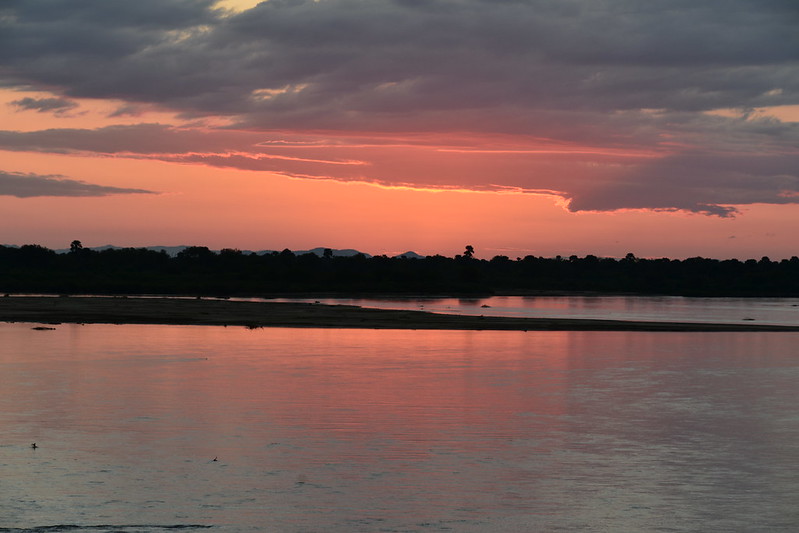
What follows is a leg by leg plan you can shape around your own dates and budget. The order below moves from the most road accessible park to the deep wilderness of Ruaha, then adds the beach. Swap the sequence if your flights suit a different loop. Wildlife sightings shift with the seasons, so nothing here is a promise, only what the parks reliably offer during the drier months.
Quick planning note: the two big southern parks, Nyerere and Ruaha, sit a long way apart. Driving between them eats a full day or more on rough roads, which is why nearly every southern Tanzania safari uses light aircraft to hop between camps. Budget for those flights early, since they shape both the cost and the pace of the whole trip.
Days 1 to 2: Mikumi National Park Safari from Dar es Salaam
Most southern circuit trips open with a Mikumi National Park safari, the easiest of the southern parks to reach. Mikumi sits about 300 kilometres from Dar es Salaam along the paved A7 highway, a drive of roughly five to six hours. That tarmac access makes it the natural first leg for anyone starting overland rather than flying straight into the bush.
People often call Mikumi a mini Serengeti, and the Mkata floodplain is the reason. Open grassland runs to the horizon with clear sightlines, so animals stand out against the plain instead of vanishing into thick bush. Elephants, giraffes, zebras, buffalo, wildebeest and several antelope species graze the flats, and lions work the edges of the herds. Leopards live here too, though they stay harder to find. Rhinos are rare, so seeing four of the big five is realistic while the fifth is not.
Two nights give you an afternoon game drive on arrival and a full morning drive the next day, when the light is soft and the plains game is most active. If time is tight, some visitors treat Mikumi as a single overnight stop before pushing on. Give it two nights if you can, because the early morning drive across the floodplain is when the park earns its reputation.
Days 3 to 5: Nyerere National Park Safari and Rufiji River Boat Trips
A Nyerere National Park safari is where the southern circuit starts to feel genuinely remote. Nyerere, carved out of the former Selous Game Reserve, protects more than 30,000 square kilometres of rivers, woodland and floodplain, which ranks it among the largest protected wildernesses in Africa. From Mikumi you can fly in on a short charter, or connect from Dar in under an hour by light aircraft.
The Rufiji River is what sets this park apart. Nyerere is one of the few places in Africa where you watch wildlife from the water, and a Rufiji River boat safari is the leg most guests remember. Hippos surface in pods, big crocodiles line the banks, and the birdlife along the channels is heavy with fish eagles, kingfishers, herons and skimmers. The park has more than 440 recorded bird species, so even a casual boat trip turns up a long list.
Beyond the boat, three activities run side by side here: game drives, guided walks and the river cruises. On drives you can expect lions, leopards, spotted hyena, buffalo, giraffe, impala and waterbuck, plus elephant herds moving between the woodland and the water. Three nights lets you spread these out without rushing, so you might take a morning drive, rest through the midday heat, then head out on the river as the afternoon cools.
Watching a herd drink at the Rufiji from a boat, at eye level with the water, is a different kind of game viewing to anything you get from a vehicle.
Days 6 to 8: Ruaha National Park Big Game Safari
A Ruaha National Park safari is the wild heart of the south, and for many travellers it is the whole reason to come here rather than heading north. The flight from Nyerere to Ruaha takes roughly an hour to an hour and a half, so you swap parks in a single short hop rather than losing a day to the road.
Ruaha carries the largest elephant herds in East Africa and one of the biggest lion populations left anywhere, thought to hold close to a tenth of all the lions remaining in Africa. All three big cats live here in healthy numbers, lion, leopard and cheetah, along with the endangered African wild dog and large clans of spotted hyena. The park is also one of the few reliable spots for sable and roan antelope, two species you rarely see elsewhere on a Tanzania safari.
Game drives here run as morning outings, evening drives or full days, with the pre sunrise start giving you the best odds on predators before the heat sets in. The Great Ruaha River is the anchor of the park in the dry months, pulling elephant and buffalo down to drink as the smaller water sources fade. Three nights suits Ruaha well, since the park is vast and the good sightings are spread out, so you want unhurried days to cover ground.
Mikumi game drives: open floodplain viewing with clear sightlines, best for plains game, giraffe and lion on an easy first leg from Dar.
Nyerere boat safaris: Rufiji River cruises past hippo pods and crocodiles, with strong birding and elephants coming down to drink.
Ruaha big game drives: huge elephant herds, big lion prides, wild dog and rare antelope across a remote, thinly visited wilderness.
Walking Safaris Across the Southern Circuit Parks
The south is walking country, and a guided walking safari is one of the strongest reasons to pick this circuit over the northern parks. Both Nyerere and Ruaha run walks led by armed guides, and being on foot changes the whole rhythm of the day. You read tracks, follow the small signs of what passed through in the night, and pay attention to the things a vehicle rushes past, from dung beetles to birdsong to the shape of a distant termite mound.
Ruaha does have a wrinkle worth knowing. Because the park holds such dense elephant numbers, some camps have chosen not to run walking safaris for safety reasons, so walking availability varies by where you stay. If a bush walk matters to you, flag it when you book and pick a camp that offers it. In Nyerere the walks often pair naturally with the boat and drive combination, giving you all three ways of seeing the wilderness in a single stay.
Walks usually go out in the cool of early morning and last two to three hours. They are not about covering distance or ticking off big animals, more about slowing down and learning to see. For a lot of guests this becomes the quiet highlight of the trip, the leg they talk about long after the drives blur together.
Udzungwa Mountains Hiking Safari and Sanje Falls
If you want to break up the game drives, an Udzungwa Mountains hiking safari slots neatly into the southern circuit. The Udzungwa range sits only two to three hours from Mikumi, or about five to six hours from Dar es Salaam, so it works well either as an add on to the start of the trip or a change of pace midway through.
The headline hike climbs to Sanje Waterfall, a three tier fall dropping roughly 170 to 180 metres through thick rainforest above the Kilombero floodplain. The round trip takes about three to five hours depending on where you start and how fit you are, and at the top there is a plunge pool where you can swim below the upper fall. The forest here shelters rare primates too, including the Iringa red colobus and the Sanje crested mangabey, both found nowhere else.
This leg trades the safari vehicle for muddy trails and canopy quiet, so it suits travellers who like to stretch their legs. One or two nights is plenty. Pack proper walking shoes and expect to get warm on the climb, since the forest holds the humidity even when the plains below are dry.
Zanzibar Beach Add-On After Your Southern Circuit Safari
Ending a southern Tanzania safari on the beach is one of the easiest and most popular ways to close the trip. From Nyerere the flight to Zanzibar runs about an hour, usually routing through Dar es Salaam, so you go from bush camp to Indian Ocean in a single travel morning rather than a long slog.
Zanzibar is a semi autonomous archipelago off the Tanzanian coast, long known as the Spice Islands, with white sand beaches, warm reef water and the UNESCO listed old quarter of Stone Town. After days of early starts and dusty tracks, three to five nights here lets you actually rest. You can swim, dive or snorkel the reefs, take a spice farm tour, wander the coral stone lanes of Stone Town, or simply do nothing on the sand.
The practical appeal is the contrast in pace. Safari days are structured around dawn drives and travel between camps, so the beach gives you a stretch with no alarm clock. Couples on honeymoon lean towards the quieter east coast beaches, while first timers who want history and atmosphere often split their time between Stone Town and the shore.
Booking tip: ask your operator to hold your Zanzibar flight so it connects the same day as your last game drive. Overnighting in Dar es Salaam to catch a beach flight the next morning is a common and avoidable waste of a day.
Flights and Road Transfers for a Southern Tanzania Safari
Logistics make or break a southern circuit trip, so it helps to understand how the legs connect before you lock in dates. Dar es Salaam is the main gateway, and the airport there is the hub that feeds the light aircraft network into the parks. Mikumi is the one park you reach comfortably by road, along the paved highway from the city. Everything deeper south leans on flying.
The scheduled bush flights link Dar, Nyerere, Ruaha and Zanzibar on small aircraft, with the Nyerere to Ruaha hop taking around an hour to ninety minutes. Baggage on these planes is limited and soft bags are the rule, so pack light and leave the hard suitcase at home or in storage. Flights run to a timetable but bush schedules can shift with weather and demand, which is another reason to build a little slack into the plan.
You can run the circuit as a pure fly in trip, or mix road and air by driving the Mikumi and Udzungwa leg then flying the Nyerere and Ruaha section. The road option saves money and shows you the countryside between towns. The full fly in saves time and spares you the long transfers, which matters more the shorter your holiday is.
Fly in circuit: fastest and most comfortable, best for seven to ten day trips, higher cost because of the internal flights, minimal time lost to transfers.
Road and air mix: drive Mikumi and Udzungwa, fly Nyerere and Ruaha, lower overall cost, more of the landscape between parks, longer travel days on the road legs.
Best Time for a Southern Tanzania Safari
The best time for a southern Tanzania safari is the dry season, which runs from roughly June to October. As the land dries out, water becomes scarce and animals concentrate around the rivers and permanent waterholes, so game viewing gets easier the deeper you go into the dry months. October, at the tail end of the dry, often brings the strongest sightings in Ruaha as elephant and buffalo crowd the shrinking Great Ruaha River.
The dry months are also the coolest, with afternoon temperatures in Ruaha averaging around 27 degrees Celsius, and the reduced vegetation means predators are simpler to spot. This is peak season for good reason, so camps fill early and you want to book well ahead if your dates are fixed.
June to October, dry season: prime game viewing, thinning bush, animals gathered at water, cooler afternoons, best for boat safaris on a falling Rufiji. Busiest and priciest.
November to March, green season: scattered rain, thicker cover, newborn animals and strong birding, fewer visitors and lower rates, though some bush camps close and roads soften.
Handpicked Nyerere safari packages
April to May, long rains: heaviest rainfall, several southern camps shut, tracks can flood, generally the weakest window for a first southern circuit trip.
Boat safaris on the Rufiji work best as the river drops through the dry months, when wildlife packs closer to the water and the channels stay navigable. If your main goal is the river and the big elephant herds, aim for the back half of the dry season and you give yourself the best odds.
Frequently Asked Questions
How many days do you need for a southern Tanzania safari itinerary?
Plan for at least seven days to cover the circuit properly, and eight to ten if you want an unhurried pace across Mikumi, Nyerere and Ruaha. A common structure gives two nights in Mikumi, three in Nyerere and three in Ruaha. Adding Zanzibar pushes the whole trip to around ten to twelve days.
How much does a southern Tanzania safari cost?
Mid range fly in safaris in the south generally run from about 450 to 800 US dollars per person per day, fully inclusive, and higher for luxury camps. Internal flights between parks add roughly 150 to 350 dollars per person per leg. A short Nyerere trip can start near 900 dollars, while a four day Ruaha fly in often sits in the 3,000 to 4,000 dollar range. Prices shift with season and camp standard.
How much is a Zanzibar beach add-on after the safari?
A three to five night Zanzibar add on typically costs around 850 to 1,500 US dollars per person including a hotel and transfers, depending on the standard of the property and how close it sits to the beach you want. Honeymoon and high end resorts run well above that range.
Do you fly or drive between the southern circuit parks?
Mostly fly. Mikumi is reachable by road from Dar es Salaam on a paved highway, but Nyerere and Ruaha sit far apart, so almost everyone connects them by short bush flights. The Nyerere to Ruaha hop takes about an hour to ninety minutes, against a long and rough full day drive.
Is the southern circuit better than northern Tanzania?
They suit different travellers. The south is quieter, wilder and stronger on boat safaris, walking safaris and huge elephant and lion numbers in Ruaha. The north has the Serengeti migration and higher predator density on open plains, plus easier road links. Many people who have already done the north come south for the solitude and the river.
When is the best time to visit for boat safaris and big game?
The dry season from June to October is best, with the strongest sightings often in the back half as water dries up and animals crowd the rivers. October tends to be the peak for elephant along the Great Ruaha River. The green season from November to March brings birding and lower rates but thicker bush and some camp closures.
Can you add Udzungwa Mountains to a southern safari?
Yes, and it pairs well. The Udzungwa range sits two to three hours from Mikumi, so a one or two night hiking stop fits early in the trip. The main hike climbs to Sanje Waterfall, a rainforest fall of around 170 to 180 metres, on a round trip of roughly three to five hours with a swim at the top.